One of the staples on our reading list while growing up, were stories like Cinderella and Snow White. I still remember the first time I read Cinderella from the Childcraft Encyclopedia, which had so many different types of stories, including Jack and the Beanstalk, The Three Billy Goats Gruff, The Three Little Pigs, and many more. I never understood what type of stories these were, but I was always fascinated by the touch of fantasy that was sprinkled throughout these stories. These stories are popularly called fairy tales.
Fairy tales need not technically have fairies in them and that’s not why the term fairy is used to describe the story. If the story takes place in a magical land with otherworldly creatures (tooth fairy,Santa Claus, etc) who can perform tasks that are not possible by humans, then that story is most likely a fairy tale. ‘’The term “fairy” tale seems to refer more to the fantastic and magical setting or magical influences within a story, rather than the presence of the character of a fairy within that story.”
We are familiar with stories that have a happy ending and are turned into movies, like – Rapunzel, Beauty and the Beast, Little Red Riding Hood, Sinbad the Sailor, and 1001 Arabian Nights, to quote a few. But the lesser known fairy tales, those that don’t end very well and can give you quite a scare if you aren’t prepared. So be prepared when you pick up Grimm’s Fairy Tales, since there are fun but grim stories in there too.

MERRIN ABRAHAM
Merrin completed her Integrated MA in English Studies from IIT Madras. She is a storyteller, bibliomaniac and a lover of indie music who had a passion for the English language that she dedicated her childhood to reading Victorian literature. Besides drinking bitter coffee and analysing Asian media, she is trying to find a horror story worthy of the genre.
There are different kinds of fairy tales based on the cultures around the world. In India, the stories we are familiar with are folktales like Vikram and Betal, Akbar & Birbal, Tenali Raman, Panchatantra and many more. These stories are interspersed with moral lessons that encourage shrewd but smart living. If you are looking for some simple but interesting stories to read, try one of the following books to turn your day magical.
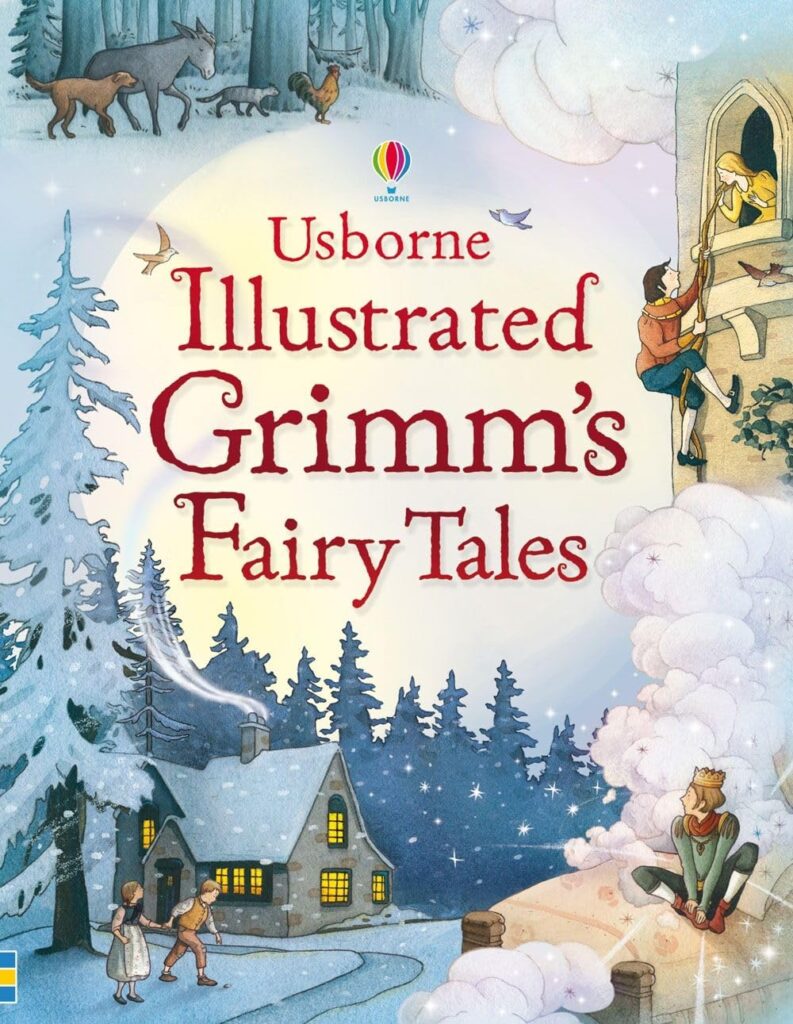
Illustrated Grimm’s Fairy Tales
by Ruth Broklehurst & Gillian Doherty, Illustrated by Rafaella Ligi
Jacob and Wilhelm Grimm were German academics who collected and published folktales. This book is a retelling of those folktales giving you a peek into the beautiful and fantastical world of castles, elves, magic and princesses. Accompanied by stunning illustrations, this book will keep even your 11 year old hooked. (Age group 6-10 years)
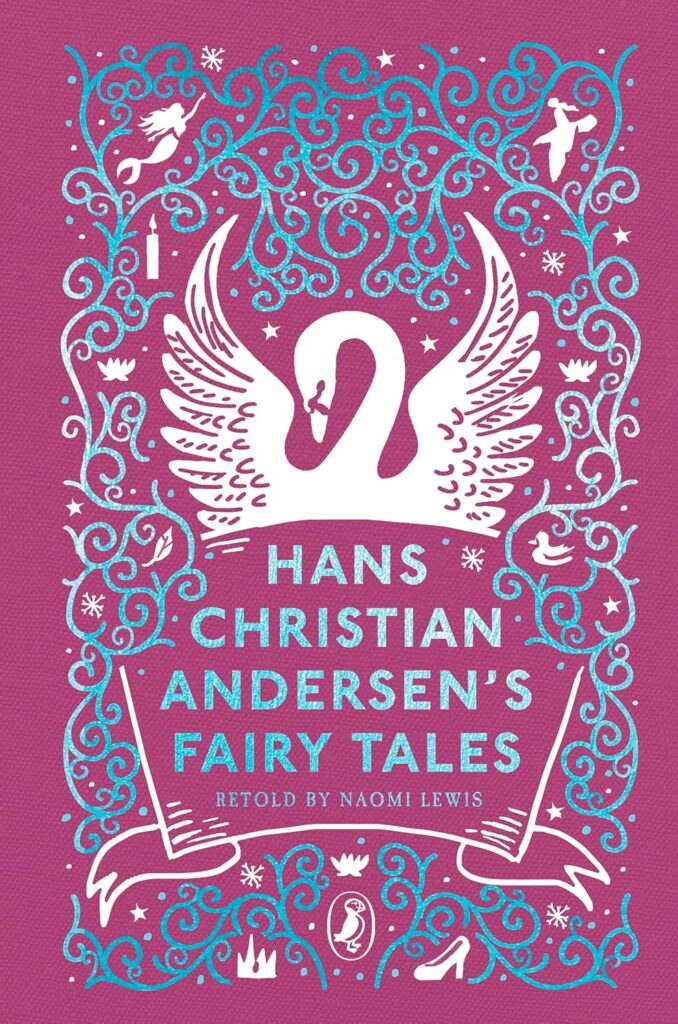
Hans Christian Andersen’s Fairy Tales
by Hans Christian Andersen (Author), Jan Pienkowski (Introduction), Naomi Lewis (Translator)
A Danish author, who wrote many plays, novels & poems, but is best known for his literary fairy tales like “Thumbelina, the Snow Queen, The Emperor’s new clothes’, and many more. Dive into this book filled with timeless stories, wonderful illustrations, and a few lessons on resilience and virtue. (Age group 7-9 years)
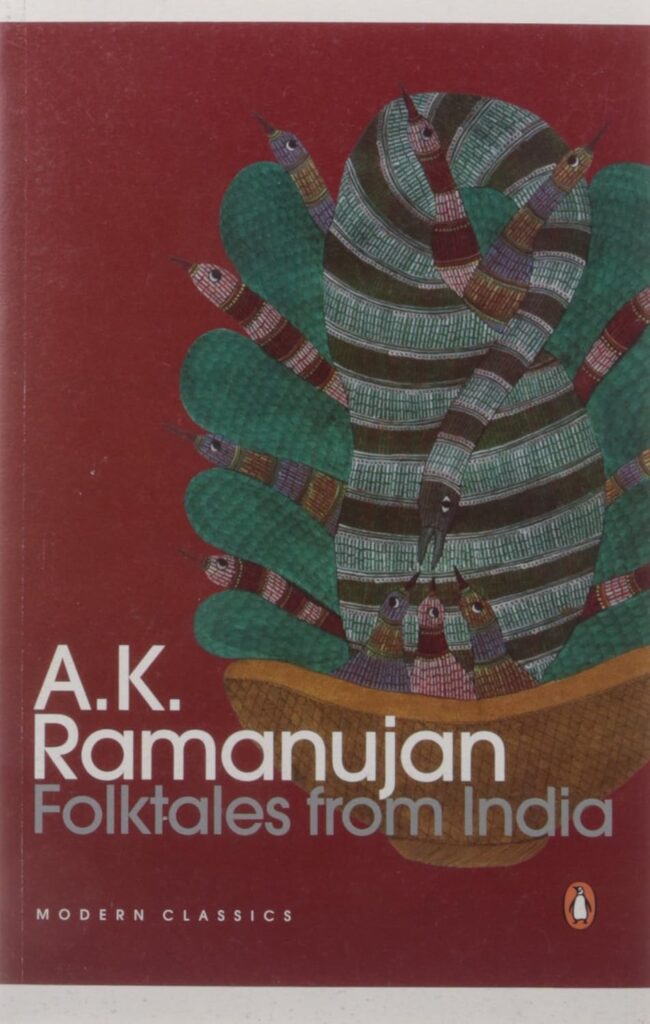
Selected and edited by A.K. Ramanujan
110 tales from all parts of the Indian subcontinent, will give you a taste of the culture, diversity and rich literary styles present in India. Translated from twenty-two Indian languages, there are myths, slice of life stories, stories about foolish people in power, and funny people trying to live each day. With simple ink illustrations and designs, each tale comes to life with a witty protagonist waiting to tell you a new story. (Age group 10-15 years)